That means, even if you skip the sugary cocktail, there are still plenty of calories in your whiskey neat. While your decision making is impaired, you might be more prone to eat foods you’d normally avoid, or even to give up on your healthy diet entirely, Wyatt says. If you consume too much of it, you can develop alcohol poisoning or even die. This is important for potential weight gain because it dictates how your body reacts to alcohol. When you stop drinking, your body may replace one habit with another, so weight loss isn’t guaranteed.
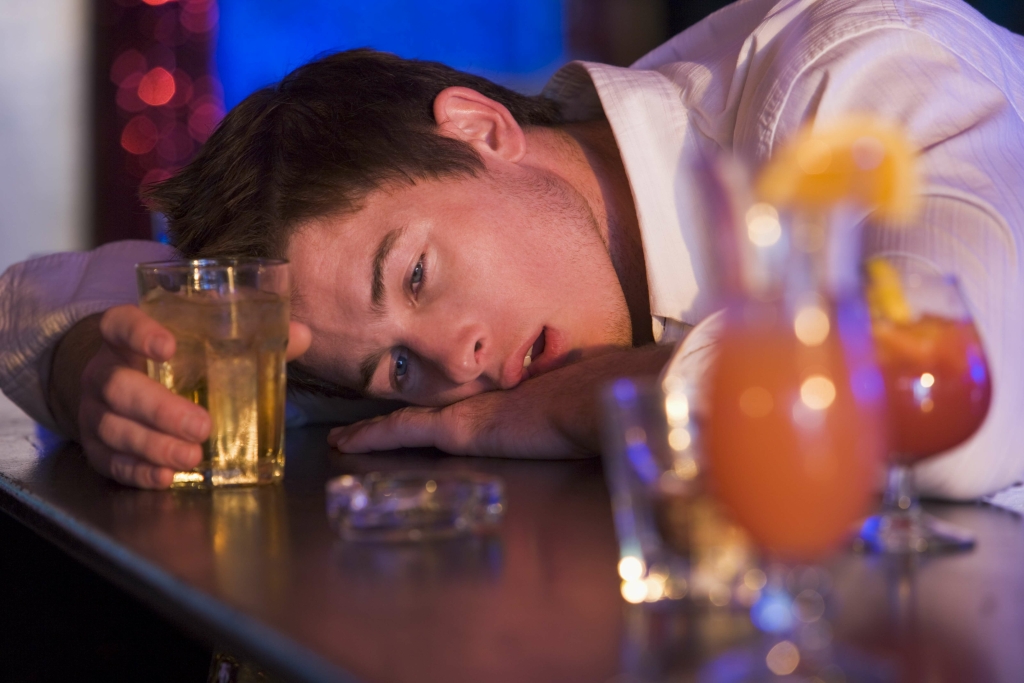
Does Alcohol Make You Gain Weight? Answers to All Your Questions

In addition, many alcoholic drinks are also high in sugar meaning you could be consuming lots of empty calories, which could lead to weight gain – including a beer belly – and put your long-term health at risk. It’s surprising how many calories are in drinks like wine or beer. Learning some helpful tips can help you maintain good health and keep away from unhealthy diets. It’s important to follow a logical order to tackle weight does liquor make you gain weight gain from alcohol.
Calculating optimal daily water intake
Therefore, drinking water may help increase your metabolic rate and how much energy (or calories) you burn. Read on to learn more about whether drinking water can help you lose weight. Some research suggests that drinking more water is linked with weight loss, but the evidence is insufficient to suggest a direct cause-and-effect relationship. In fact, in a 2019 study that took place between 2015 and 2016, 26.3% of participants reported “drinking a lot of water” in an attempt to lose weight. For a long time, drinking water has been thought to help with weight loss. The cells lining your mouth and throat are especially vulnerable to the harmful effects of alcohol.

Weight gain
Beyond adding energy to a meal, alcohol may actually stimulate food intake 5. Of the 17 studies reviewed by Yeomans, ten showed increased food intake following alcohol consumption 5. One explanation is that there is a learned association between alcohol and eating; however, several experimenters disguised the presence of alcohol in their protocols and still found increased energy intake 5. It is unclear whether alcohol promotes food intake in the absence of hunger; however, it has been noted that alcohol may amplify individuals’ perception of appetite in response to food stimuli 5. Having high LDL levels can be dangerous, leading to heart disease or a stroke. Statins are very common drugs that can help you reduce your LDL levels.
There’s currently no research supporting the idea that drinking water can help you lose belly fat, so any suggestion to that is purely anecdotal. According to a 2013 study, the average person gains about 1.45 kg (3.2 lb) every 4 years. People facing anxiety and depression drink intentionally to reduce stress and improve their mood. While drinking may provide a few hours of relief, it may worsen your overall mental health over time.
It makes it difficult to choose healthy options
- As a result of their findings, the researchers concluded that heavy drinking should be part of the discussion when it comes to talking about healthy eating and weight loss.
- According to a 2013 study, the average person gains about 1.45 kg (3.2 lb) every 4 years.
- “So, 20 milligrams to 100 milligrams at a time as opposed to the standard American mug of coffee.
It isn’t common, but some Sober living home people do have confusion while taking statins. But several studies that looked for memory loss related to statins didn’t find a connection. Interestingly, some studies have shown an improvement in brain function among some people taking statins. When statins started becoming popular, rumors began that people who took them were more likely to get Alzheimer’s disease. The calculation takes into account your sex, race, and age, as well as if you smoke or have diabetes, and what your blood pressure is.
- From empty calories to its impact on most aspects of health, alcohol can be a significant roadblock to reaching your goals.
- Digestive secretions are essential components of healthy digestion.
- The weight loss ranged between 0.4–8.8 kg, and the mean weight loss was 5%.
- Budweiser Select 55 for example derives 88.2 percent of its calories from alcohol, compared to Bud Light at 74.1 percent, and regular Budweiser at 66.9 percent calories, Fear says.
- Children are especially prone to voluntary dehydration so child athletes and children doing sports in hot climates should start well-hydrated every day to avoid any potential issues.
Iron levels are low — I recommend adding iron-rich foods or supplements. Kathleen earned her Master’s of Science in Nursing from Austin Peay State University in Tennessee. Kathleen loves helping her patients explore sustainable health changes that can easily fit into their lifestyle. She has found that this approach empowers them and leads to greater health outcomes. Kathleen loves spending time with her family, her dog, and three cats. Alcohol use has long been known to alter http://elsflorijn.nl/index.php/2024/04/30/narcissistic-relationship-quiz-10-toxic-patterns/ hormone levels, especially testosterone.8 Testosterone has a wide range of effects on your body, including the mass regulation of fertility and bone mass.
The dietitians at the center believe that there is not a one-size-fits-all approach to weight loss. This is actually lower in calories than most beers like Bud, Miller, and Coors, which have closer to 150 calories for the same serving size. Further, studies show that alcohol temporarily inhibits “lipid oxidation” — in other words, when alcohol is in your system, it’s harder for your body to burn fat that’s already there. Alcohol — the intoxicating ingredient found in beer, wine, and liquor — is produced by the fermentation of grains, fruits, or other sources of sugar. For example, Simon says that alcohol can affect levels of reproductive hormones like testosterone and estrogen.